
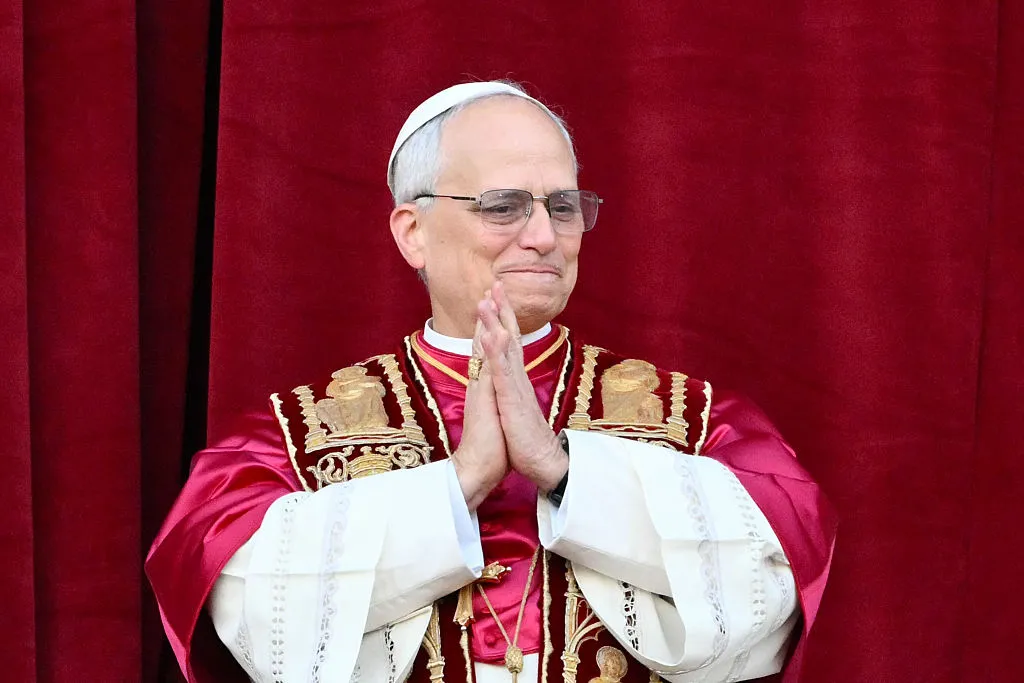

Pope Leo XIV’s first encyclical addresses the risks and responsibilities of AI
Pope Leo XIV issued his initial encyclical on Monday. The document, titled Magnifica Humanitas, focuses on “protecting the human person in the age of artificial intelligence.” While centered on AI, Leo’s concerns delve deeper, tackling longstanding issues such as inequality, warfare, diminishing democratic values, and the consolidation of power among a select few uninterested in upholding humanity’s grandeur.
In this extensive 200-page report, revealed in conjunction with Chris Olah, co-founder of the AI firm Anthropic, Pope Leo asserts that technology shaped by a limited elite inherently fails to promote the common good.
“When such authority falls into the hands of a limited group, it often becomes obscure and eludes public scrutiny, which raises the likelihood of harmful developments resulting in greater dependencies, exclusions, manipulations, and inequalities,” he states.
The encyclical further explains that, akin to previous technological advancements, AI tends to enhance the influence of those already endowed with resources, expertise, and access to vital data. It concerns how elites might leverage their position to “manipulate information and consumption behaviors, sway democratic processes, and steer economic activities for their benefit.”
This encyclical follows President Donald Trump’s decision to postpone an executive order regarding AI, which sought to implement government oversight on emerging models prior to their public release, under the influence of venture capitalist and former AI czar David Sacks.
Pope Leo advocates for AI to be regulated through “transparent guidelines and effective monitoring,” emphasizing the involvement of communities that will bear its impacts. He argues against the escalating race to develop “powerful algorithms and expansive datasets” that entities believe could lead to “geopolitical or commercial supremacy.”
“To disarm signifies undermining the belief that technical prowess inherently grants authority to govern,” he articulates.
These issues are not novel. Pope Leo XIII’s 1891 encyclical Rerum Novarum highlighted similar power concentrations prompted by the Industrial Revolution. More contemporaneously, consider Elon Musk’s takeover of Twitter and his strategic use of the platform to support Trump, alongside the infusion of cash from tech elites into super PACs aiming to resist AI regulations—clear motivations behind Leo XIV’s message.
The pope draws upon a conclusion that many are now recognizing: the extraordinary power and capabilities of modern AI significantly escalate the stakes.
Paolo Carozza, a professor at Notre Dame Law School and member of the Pontifical Academy of Social Sciences, highlighted the impact of AI-fueled misinformation and deepfakes on our ability to discern truth, which could have dire ramifications for democratic governance. He emphasized that the tech sector’s tendency to “gather and manipulate” human data presents “fundamental challenges to cognitive freedom.”
When you purchase through links in our articles, we may earn a small commission. This doesn’t affect our editorial independence.
#popes #encyclical #isnt