
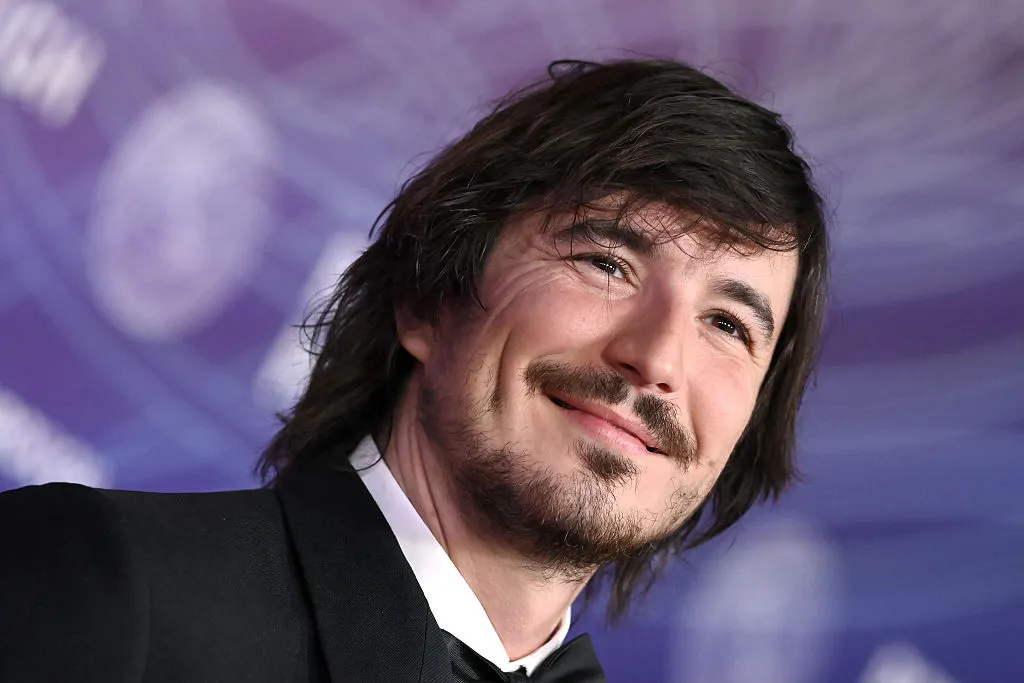

Robinhood is set to introduce a second venture fund merely two months after its initial offering entered the stock market. The firm has submitted a confidential registration for RVII, a routine regulatory measure that allows it to navigate through the approval process prior to disclosing specifics.
Rather than replicating its first fund, which features investments in 10 late-stage companies — including Airwallex, Boom, Databricks, ElevenLabs, Mercor, OpenAI, Oura, Ramp, Revolut, and Stripe — RVII aims to target both growth-stage and early-stage startups. This distinction is significant, as early-stage ventures typically involve greater risk but also hold the potential for enhanced returns.
The company has not specified the fundraising goal for RVII, as detailed in a blog post. For its first foray into venture funding, Robinhood aimed to raise $1 billion but fell short by several hundred million.
Despite this setback, the initial fund has demonstrated strong performance. RVI, the ticker symbol for Robinhood’s first fund trading on the NYSE (New York Stock Exchange), opened at $21 a share in early March and has now more than doubled, closing Monday at $43.69. The stock’s surge is likely driven by investors’ excitement over the AI potential of its startup portfolio.
Both funds are part of a mission to bridge a significant gap in startup investment access. Due to federal regulations, only “accredited” investors—which include those with a net worth exceeding $1 million or an annual income of over $200,000—can invest in private companies. This system has historically excluded regular investors from the lucrative early stages of company growth. RVI and RVII are intended to disrupt this norm, enabling anyone to invest in a collection of private startups via a standard brokerage account.
“You can think of [Robinhood Ventures] as a publicly traded venture capital firm with daily liquidity. No accreditation requirements and no carry,” Robinhood CEO Vlad Tenev explained in an interview at The Wall Street Journal’s Future of Everything conference last week. Daily liquidity means market participants can trade shares any day the market is open, unlike traditional VC funds, which lock up capital for years. The absence of carry indicates that Robinhood does not take a cut of investment profits, a departure from typical venture capital practices.
Recently, the most valuable AI startups have evolved from early investments into enterprises worth tens or hundreds of billions, with most of that growth occurring in private markets that remain inaccessible to many investors.
Tenev’s broader vision extends even further. “The aspiration is, if you’re a company raising a seed round and a Series A round — so, just first capital — retail should be a big chunk of that round, much like it now is in the public markets,” Tenev mentioned at the conference. “And we should let those people in at the ground floor, so that they can actually benefit from this potential appreciation that’s increasingly happening in the private markets.”
Should this vision materialize, it could revolutionize how startups secure their initial funding, allowing retail investors to participate alongside venture firms in the earliest rounds, where both significant gains and substantial losses often transpire.
When you purchase through links in our articles, we may earn a small commission. This doesn’t affect our editorial independence.
#Riding #rally #Robinhood #preps #retail #venture #IPO